
Healing From Developmental Trauma
Developmental trauma (sometimes referred to as chronic trauma) occurs when a person’s emotional or physical safety is repeatedly threatened during the early years of life — often by the very people they depend on for care. Because children’s brains and nervous systems are still developing, these experiences can deeply affect how people learn to see themselves, others, and the world.
Healing from developmental trauma is possible, even years or decades later. I can help you understand the symptoms of trauma and how they show up in daily life. From this awareness grows self-acceptance (“I was doing my best to survive”), self-compassion (“It makes sense that I respond this way”), and ultimately empowerment (“Now I can choose new ways of being”).
Get in touch for a FREE no-obligation 30 minute initial consultation. Early mornings (from 7am) sessions available.

Common Causes
Developmental trauma can arise from ongoing or repeated experiences such as:
– Physical, emotional, or sexual abuse
– Neglect — emotional or physical needs not being met
– Abandonment or inconsistent caregiving
– Living with alcoholic or substance-addicted caregivers
– Growing up in high-conflict, unpredictable, or unsafe environments
– Narcissistic or emotionally unavailable caregivers
– Domestic violence or chronic tension in the home
How it affects us in later life
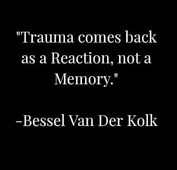
Early trauma doesn’t just disappear when we grow up. It can shape the way we think, feel, and respond to the world — often outside of our conscious awareness.
Common effects include:
– Beliefs such as: I am unlovable; people are not to be trusted; I don’t matter; the world is dangerous
– Persistent anxiety, fear, or hypervigilance
– People pleasing, inability to set boundaries
– Difficulty trusting others or forming close relationships
– Deep feelings of shame, worthlessness, or “not being good enough”
– Challenges with emotional regulation (feeling numb or overwhelmed)
– Self-sabotaging patterns or perfectionism
– Physical symptoms such as fatigue, pain, or tension
Get in touch for a FREE no-obligation 30 minute initial consultation. Early mornings (from 7am) sessions available.

Healing and Moving Forward
Healing from developmental trauma is possible, even years or decades later.
It starts by recognising that our trauma responses are not signs of weakness — they are survival strategies. This is the first step towards understanding our emotions and behaviours as the residue of trauma, not personal failings.
Healing involves helping the nervous system learn that the present is safe. With time and consistency, it becomes possible to move from surviving to truly living.
Helpful approaches can include the following, all of which we can incorporate within our therapy sessions:
– A trauma-informed approach (TIST)
– Mindfulness and grounding practices to calm the nervous system
– Inner child work and self-compassion exercises
– Healthy boundaries and learning to identify safe relationships
– Body-based practices (like movement therapy)
– Psychoeducation — understanding your patterns and triggers
Get in touch for a FREE no-obligation 30 minute initial consultation. Early mornings (from 7am) sessions available.

What is TIST?
Trauma-informed stabilization treatment (TIST) is an integrative model blending internal family systems and somatic awareness, to help address symptoms of long term trauma.
TIST helps clients recognise their symptoms as survival responses to trauma and to view these responses with compassion and understanding rather than with fear or shame.
TIST is designed to work with clients who have experienced prolonged trauma, especially in early life, and often suffer from emotional flooding, shame, dissociation, and extreme inner conflict. TIST is also ideal for clients who have been stuck in therapy, unable to make progress or develop healthy therapeutic relationships.
When PTSD is also present, the Rewind Technique can be used in conjunction with TIST to help reduce the intensity of PTSD symptoms.
I hold a certificate of training in Rewind Therapy for PTSD symptoms with the International Association for Rewind Trauma Therapy
I also have a Complex Trauma Certification Training Level 1 & 2 (CCTP/CCTP-II) with Janina Fisher and I have attended a Trauma Research Foundation (TRF) Certification in Traumatic Stress.
Get in touch for a FREE no-obligation 30 minute initial consultation. Early mornings (from 7am) sessions available.
